

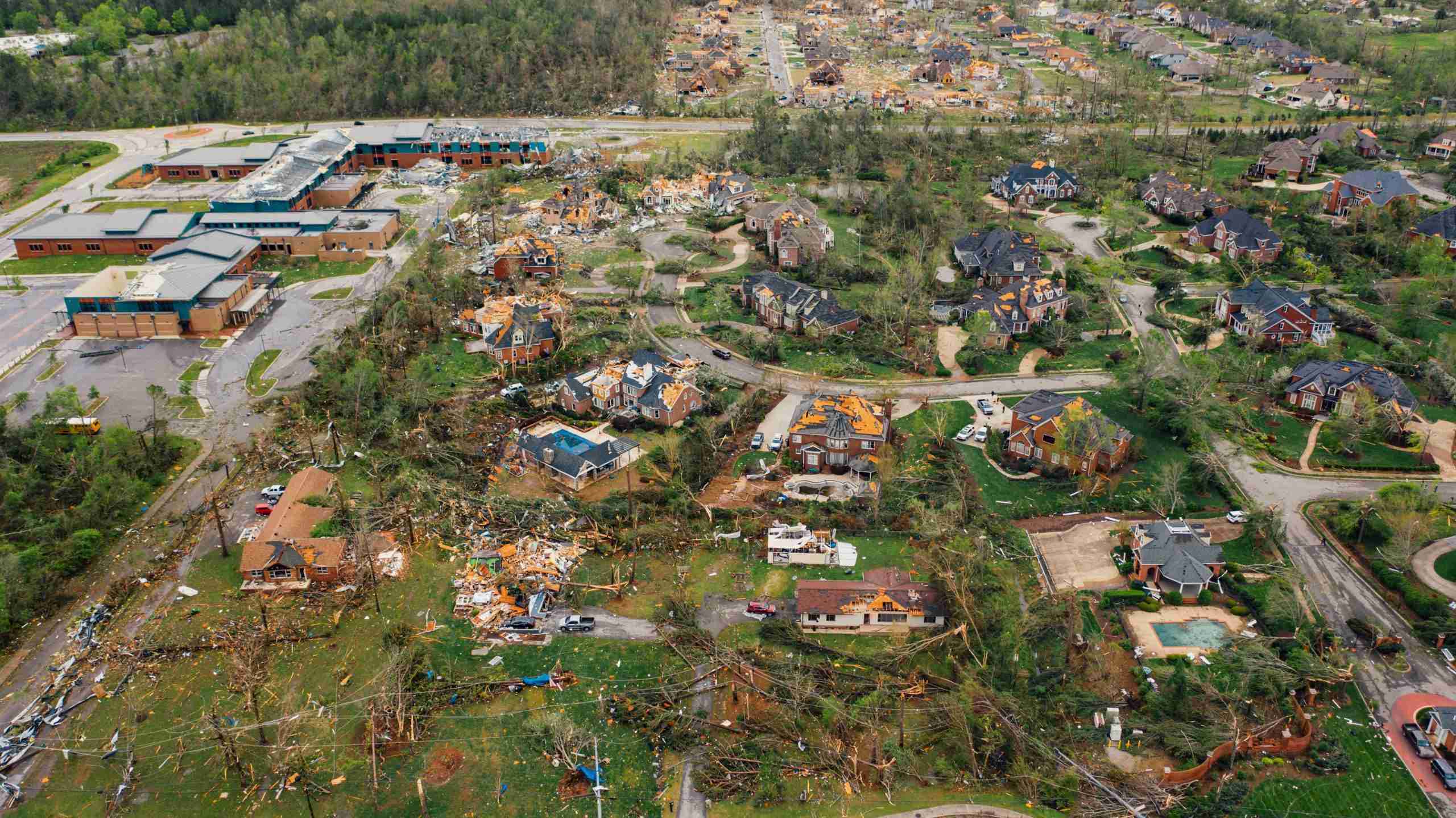
Hurricane Helene has left a trail of devastation from Florida to Ohio, making it one of the costliest storms in U.S. history. As communities begin the arduous task of rebuilding, major insurance providers like State Farm General Insurance Co. and Citizens Property Insurance Corp. are preparing for an influx of claims and significant financial losses.
According to an article by Alexandre Rajbhandari in Claims Journal dated October 1, 2024, State Farm has already received over 50,000 auto and homeowner claims related to Hurricane Helene, with expectations of that number rising. As the leading provider of home and car insurance in Georgia and South Carolina at the end of 2023, State Farm faces substantial exposure in the affected regions, including Florida and North Carolina.
Citizens Property Insurance Corp., Florida’s state-backed insurer and the largest in the state, has reported about 10,000 claims as of Tuesday following Helene’s landfall with winds reaching 140 miles per hour.
The Financial Impact of Hurricane Helene
The total insured losses from Hurricane Helene remain uncertain and may not be clear for months. Early projections from AccuWeather Inc. estimate that total economic damage could reach up to $160 billion, factoring in lost wages, canceled flights, and supply chain disruptions. This places Helene among the five costliest storms in U.S. history.
However, insured losses may be significantly lower due to the nature of standard property insurance policies, which typically exclude flood damage. Homeowners must purchase additional flood coverage either from private insurers or the National Flood Insurance Program (NFIP). Robert Gordon, senior vice president of policy, research, and international for the American Property Casualty Insurance Association, highlighted this gap by noting that fewer than 1% of homeowners in the most impacted areas outside of Florida had flood insurance. According to FEMA, even in high-risk flood zones in Florida, only 35% of structures have protection.
“Unfortunately, fewer than 1% of the homeowners in the most impacted areas outside of Florida had flood insurance. Flood losses are the most common natural disaster, but most homeowners outside of designated flood zones have not obtained coverage. According to FEMA, even in high-risk flood zones in Florida, only 35% of structures have protection.”
— Robert Gordon, American Property Casualty Insurance Association
State Farm’s History with Natural Disasters
State Farm has a long history of responding to natural disasters across the United States and has faced significant losses from previous hurricanes and catastrophic events:
- Hurricane Katrina (2005): One of the most devastating hurricanes in U.S. history, Katrina resulted in over $41 billion in insured losses. State Farm, being one of the largest insurers in the affected areas, paid out billions in claims.
- Hurricane Harvey (2017): Striking Texas, Harvey caused widespread flooding and damage. State Farm received a large volume of claims, contributing to the overall $30 billion in insured losses.
- Hurricane Irma (2017): Affecting Florida and other southeastern states, Irma led to substantial claims for wind and flood damage.
- California Wildfires (2018): Beyond hurricanes, State Farm has also dealt with massive losses from wildfires, such as the Camp Fire in California, which resulted in significant property damage and loss of life.
These events have prompted State Farm to continuously adapt its risk management strategies and work closely with policyholders to navigate the complexities of disaster recovery.
The Importance of Adequate Insurance Coverage
The aftermath of Hurricane Helene underscores the critical need for homeowners to reassess their insurance coverage, particularly regarding flood insurance. Many property owners in Georgia and South Carolina carry less flood coverage compared to those in Florida, which has more frequent exposure to hurricanes.
Early estimates before Helene’s continued damage over the weekend suggested insured losses could reach up to $5 billion, according to CoreLogic. AM Best projected that the losses could be even higher.
As climate change contributes to the increasing frequency and severity of natural disasters, both insurers and insureds must proactively address the risks. Homeowners are encouraged to:
- Review Insurance Policies: Understand what is and isn’t covered, especially concerning flood damage.
- Consider Additional Coverage: Evaluate the need for supplemental policies like flood insurance through the NFIP or private insurers.
- Stay Informed: Keep abreast of changes in weather patterns and adjust coverage accordingly.
Hurricane Helene serves as a stark reminder of the devastating impact natural disasters can have on communities and the economy. Insurance companies like State Farm and Citizens are at the forefront of aiding recovery efforts but also face significant financial challenges due to the sheer volume of claims.
For homeowners and businesses, now is the time to assess risks and ensure that adequate insurance protections are in place. The path to recovery may be long, but with proper planning and support, rebuilding stronger and more resilient communities is possible.
Ready to hand off your supplements? Need a supplemental estimating service instead of another hire? See how EOD’s roofing supplement services work, check our pricing (10% of the increase — no increase, no fee), or get in touch.
